
The Financial Impact of Production Yield: Modeling Scrap and Material Efficiency in Your Factory’s P&L
Short answer: Production yield affects profit through material loss, lost saleable output, labor, energy, machine time, and rework. Model it as a variable, not as one fixed industry percentage. The basic calculation is: planned units multiplied by scrap rate multiplied by cost per scrapped unit.
A useful model separates direct material cost from lost revenue and operating cost. It should also test ramp-up, stable production, and a stress case with your own prices, bill of materials, staffing, energy, and quality data.
Understanding the Core Metrics: Yield, Scrap, and Efficiency
Before modeling the financial impact, it’s important to clarify the key performance indicators. While related, they each tell a different part of your factory’s story.
What is Production Yield?
In simple terms, production yield is the percentage of finished, saleable products that emerge from the total number of products that entered the production process. If you start the process to make 100 solar modules and 99 of them pass final quality control, your yield is 99%.
What is Scrap Rate?
Scrap rate is the inverse of yield. It represents the percentage of units discarded or failing quality control during the manufacturing process. In the example above, the scrap rate would be 1%. These are products that have consumed materials, labor, and machine time but generate zero revenue.
What is Material Efficiency?
Material efficiency is a broader concept that includes the scrap rate but also accounts for waste in the raw materials themselves. This could be due to improper handling, storage, or suboptimal cutting patterns that leave excess, unusable material. High material efficiency means you are maximizing the value of every square meter of solar cells and every kilogram of aluminum you purchase.
The Ripple Effect: How a 1% Yield Drop Creates Major Financial Waves
A 1% scrap rate may sound insignificant, but its financial consequences are threefold: the direct cost of wasted materials, the lost revenue opportunity, and sunk operational costs.

The following example is illustrative, not a benchmark. Assume a factory plans 200,000 modules per year, uses €80 of material per started module, and sells a conforming module for €150. At a 1% scrap rate, 2,000 started modules do not become saleable output.
-
Direct material loss: 2,000 modules multiplied by €80 equals €160,000.
-
Lost gross sales opportunity: 2,000 modules multiplied by €150 equals €300,000. This is not the same as profit and must not be added to material loss without separating revenue and margin in the model.
-
Operating cost: Add measured labor, energy, machine time, disposal, and rework cost for the affected process steps.
The example shows why yield deserves its own sensitivity analysis. Replace every assumption with project-specific data and avoid presenting lost revenue as direct cash loss. For the technical side, compare the equipment and quality gates. The IEA PVPS report on degradation and failure modes provides independent context on why manufacturing quality matters beyond the factory gate.
This is why experienced operators obsess over yield. They understand it’s one of the most powerful levers for controlling profitability.
Building a Realistic Financial Model: Beyond Simple Assumptions
When building your business plan, it’s tempting to use generic industry averages for yield and scrap rates. This approach, however, can be dangerously misleading. A robust financial forecast relies on realistic, data-driven assumptions.
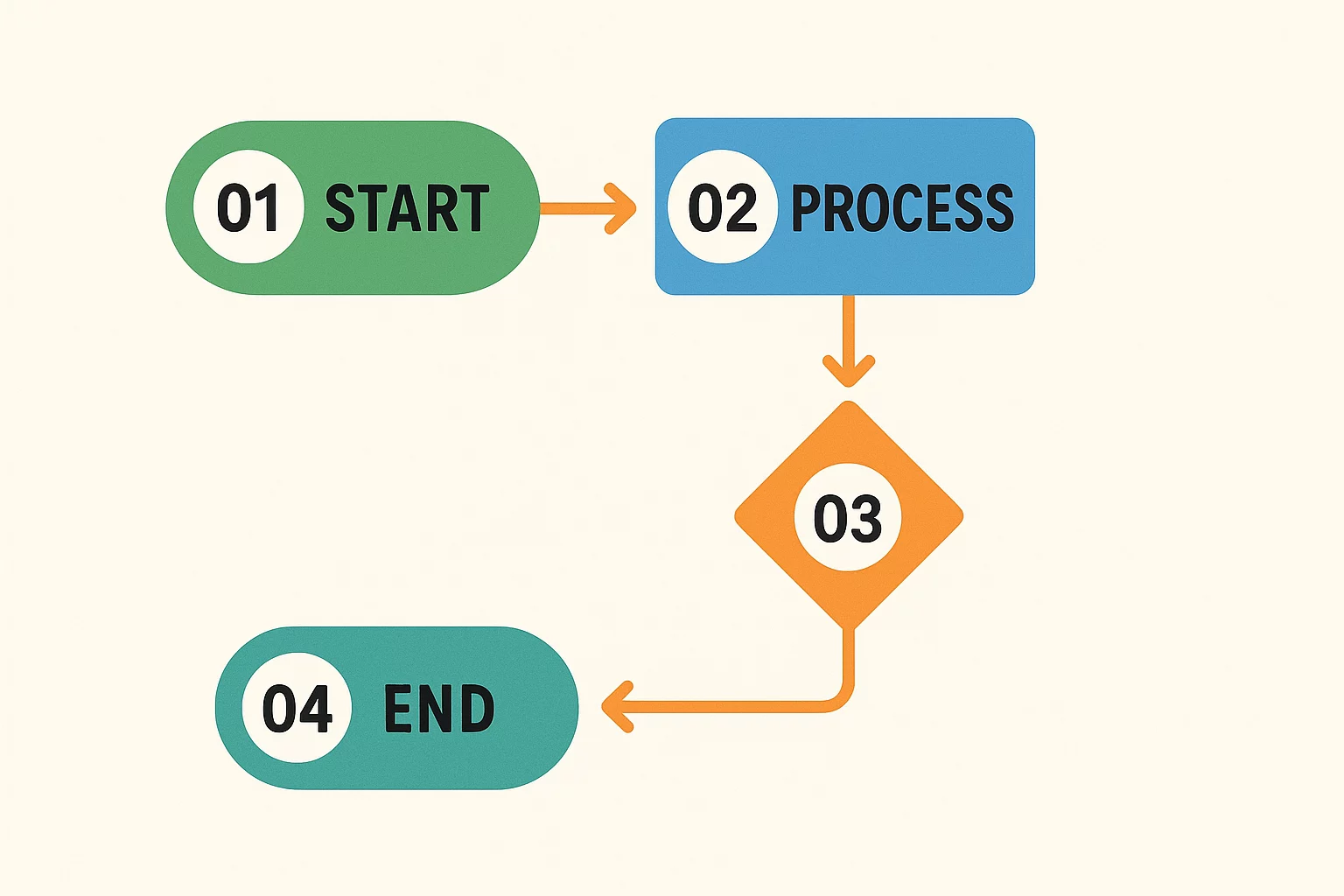
Your financial model shouldn’t treat yield as a single, static number. Instead, it should allow you to model different scenarios:
-
Ramp-up scenario: Use a conservative yield assumption until your own commissioning data is available. State the assumed learning period and expected causes of loss.
-
Stable-operation scenario: Use the demonstrated yield from your process, materials, staffing, and acceptance tests. Do not copy a generic percentage into the business plan.
-
Stress scenario: Model a temporary drop caused by raw material variation, calibration problems, operator error, or downtime. Include the time and cost needed to diagnose and correct it.
Ultimately, yield isn’t a fixed number. It’s a dynamic variable influenced by the quality of your machinery, the skill of your people, and the efficiency of your processes. Choosing a partner with decades of real-world operational data is critical for getting these baseline assumptions right from day one.
The Human Element: Operator Training and Its Impact on Your Bottom Line
It’s a common mistake to view manufacturing purely through the lens of machines and materials. In reality, the human element is often the deciding factor in achieving high production yields. A highly automated line still requires skilled operators to manage material loading, monitor calibration, and identify subtle process deviations before they lead to significant scrap.

Comprehensive operator training is not a cost center; it’s one of the highest-return investments you can make. Well-trained staff can:
-
Reduce handling errors that damage expensive materials like solar cells.
-
Perform routine machine maintenance that prevents costly downtime and quality issues.
-
Understand the ‘why’ behind their tasks, leading to greater ownership and process improvement suggestions.
This is why our approach always includes extensive on-site training. We don’t just deliver machines; we ensure your team has the skills and confidence to operate them at peak efficiency. Our consulting and engineering services are designed to build this capability within your own organization, creating a foundation for long-term success.
Frequently Asked Questions
What is a ‘good’ production yield for a new solar module factory?
There is no universal percentage that can be copied safely into every business plan. Set separate targets for commissioning and stable operation, define which defects count as scrap or rework, and validate the target against the selected module design, materials, equipment, staffing, and acceptance tests.
How quickly can a new factory reach its target yield?
The answer depends on product complexity, incoming material quality, automation, operator training, maintenance, utilities, and the acceptance plan. Define measurable commissioning gates and record actual yield by process step. Replace the planning assumption with observed production data as soon as the line starts.
Is scrap a total loss, or can materials be recycled?
Some components, like aluminum frames or junction boxes, may have recyclable value. However, the core components of a laminated module (glass, EVA, cells, backsheet) are extremely difficult and costly to separate and recycle. For financial modeling purposes, it’s safest to assume that a scrapped module represents a near-total loss of its initial material cost.
Your Next Step
Building a successful solar module factory requires a clear-eyed view of both the opportunities and the operational realities. Production yield isn’t just a technical detail—it’s a cornerstone of your financial viability. A robust business plan acknowledges this and models its impact with realistic, experience-based assumptions.
Planning a project of this scale can feel complex, but you don’t have to navigate it alone. We’re here to help you understand these critical variables and build a plan grounded in over 25 years of real-world experience.
Ready to build a business plan based on real-world data? Contact us to discuss your solar manufacturing project.